

Mooring Line: Types, Applications, Selection, FAQS
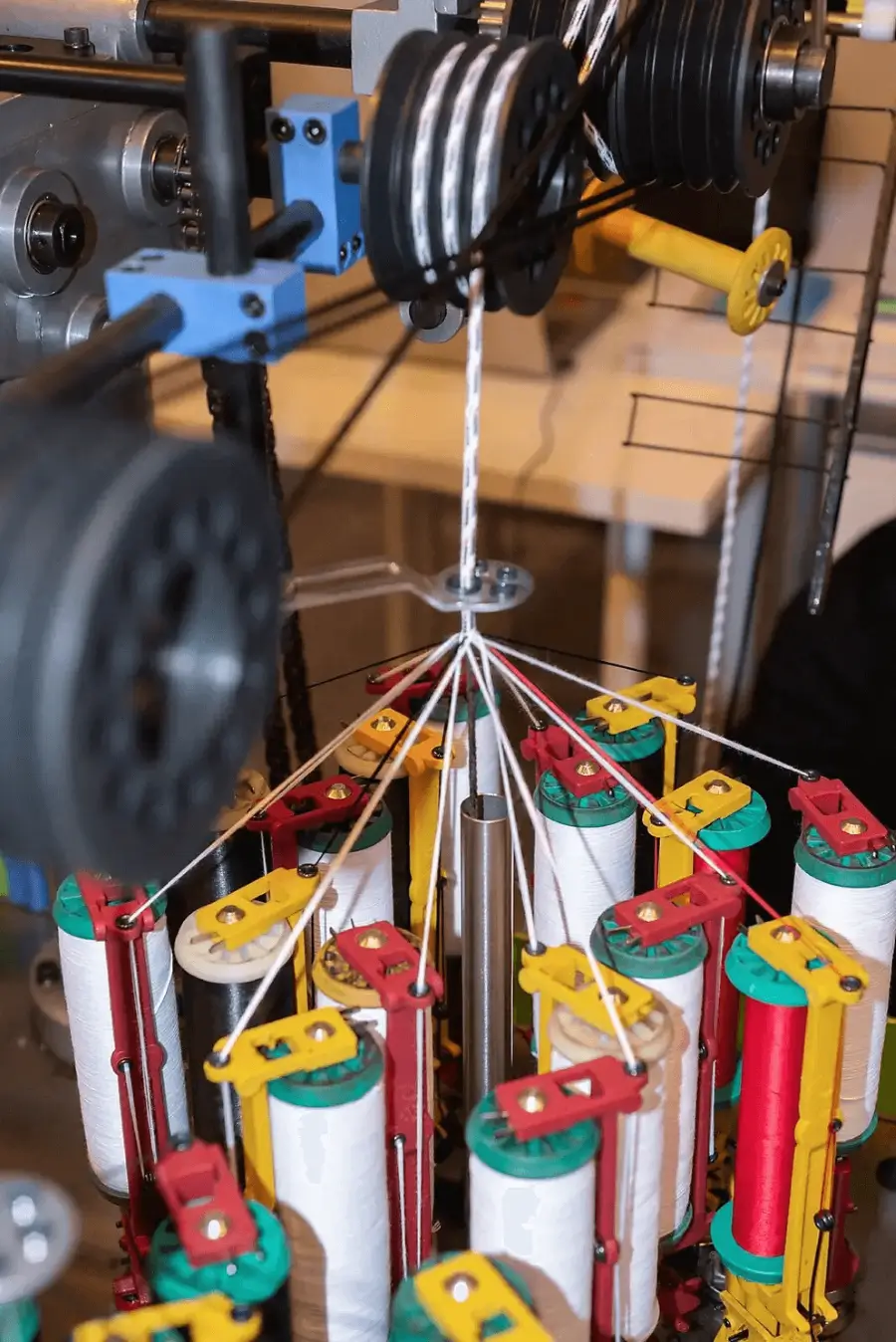
What is Mooring Line? A mooring line, also known as mooring rope or dock line, is a crucial piece of equipment used to secure marine vessels such as yachts, large ships, or oil platforms to docks, buoys, or anchorage points. It ensures stability during harsh weather, prevents dangerous movement, and is essential for safety, making it a vital part of marine equipment. In this article, we’ll explore the different types of mooring lines, their pros and cons for various applications, how to choose the right mooring rope, and address common issues, giving you a comprehensive understanding of mooring ropes. Types of Mooring Line by Material UHMWPE mooring line UHMWPE mooring rope, also commonly known as Dyneema rope, is a woven rope made from ultra-high molecular weight polyethylene fibers. Renowned for its exceptional strength, lightweight design, and outstanding corrosion resistance, it is an ideal choice for enhancing mooring stability and safety

Synthetic Rope vs Wire Rope: A Comprehensive Guide
Ropes are practical and widely used tools, generally categorized into synthetic ropes and wire ropes. Understanding the differences between these materials is essential when selecting the right rope. This article will guide you through the comparison of synthetic rope vs wire rope, helping both professionals and DIY enthusiasts make informed decisions. Understanding the Basics Ropes are widely used tools valued for their strength, flexibility, and ease of use, making them essential in activities like climbing, maritime tasks, construction, rescue operations, and outdoor activities. The material of a rope greatly affects its performance, including safety, abrasion resistance, and strength. With advances in technology, new synthetic materials are increasingly replacing traditional natural fiber ropes and wire ropes in many applications. What is Synthetic Rope? Synthetic fiber rope is made by twisting or braiding various man-made fibers. The main synthetic fibers used include nylon, polyester, Polypropylene,HMPE (UHMWPE), and aramid. These ropes are widely used for

Ultimate Guide To Types Of Synthetic Rope
Synthetic fiber ropes are gaining popularity as a lightweight, easy-to-handle, and safer alternative to steel wire ropes. However, they come in various types. In this article, you will find the different types based on materials, structure, applications, strength, and color. What Is Synthetic Rope? Synthetic rope(also called plastic rope) is a flexible, durable rope crafted from synthetic fibers. It’s commonly used for towing, lifting, mooring, and rigging. Compared to traditional natural fiber ropes, synthetic ropes offer superior strength, abrasion resistance, and corrosion resistance. Types of Synthetic Rope Based on Material Polyester Rope Description: As the name suggests, polyester rope is a synthetic rope woven from polyester fibers, and is considered an all-around synthetic rope. Properties: Specific Gravity: 1.38g/cm3 High abrasion-resistant strong UV protection excellent chemical resistance. It doesn’t absorb water High temperatures resistance: up to 265°C Common uses: Marine Mooring, Towing, Fishing, Safety Line, Rigging and Sailing Nylon Rope Description:
How to Choose the Correct Size Winch Line
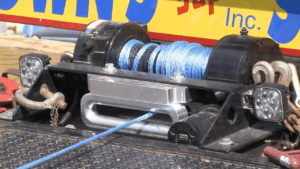
In this article, you’ll discover the factors to consider when choosing the correct size for your winch line. Selecting the right rope size is crucial, it impacts both the performance and efficiency of your winch, as well as the safety of the operator. let’s delve into details regarding diameter, length, pulling force, material, cost, and more. About Winch Line A winch line is a critical component in various pulling, towing, vehicle recovery operations, commonly used in automotive, maritime, construction, and rescue industries. It is traditionally made from steel cable for its strength and durability, winch lines are now increasingly made from synthetic fibers like nylon, polyester, kevlar aramid and UHMWPE (Ultra-High Molecular Weight Polyethylene). These modern materials offer lighter weight and enhanced safety, making them more desirable. In recent years, Dyneema winch rope has become the most sought-after option due to its superior performance and reliability. The following factors you

THE ULTIMATE GUIDE TO HMPE ROPE
In this article,it offers you a professional yet easy-to-understand guide to HMPE rope. You’ll discover its definition, key properties, and applications, along with advice on selecting and customizing the right rope for your needs, enhancing your understanding and helping you choose the best option. 1.WHAT IS HMPE ROPE? HMPE rope, High Modulus Polyethylene rope, means a high performance rope made from Ultra-high molecular weight polyethylene fibers(UHMWPE), characterized by high strength, lightweight, abrasion resistance etc. It is ideal for your use in harsh outdoor environments. Applications you can use include off-roading, marine mooring, port towing, telecommunications, and lifting large precision objects etc. Its lighter weight, non-conductivity, and superior strength make it an alternative to steel wire rope. 2. THE KEY HMPE ROPE PROPERTIES 2.1 SPECIFIC GRAVITY: 0.97G/CM3 FLOATING Because it is lighter than water, it can float, making it easier for you to observe and retrieve during water activities,
 English
  Español
  Deutsch
  Français
  العربية
  한국어
한국어  Русский
  Ελληνικά
  Italiano
  Português
  日本語
日本語  Türkçe
  Tiếng Việt
  简体中文
简体中文  Suomi
Suomi  Svenska