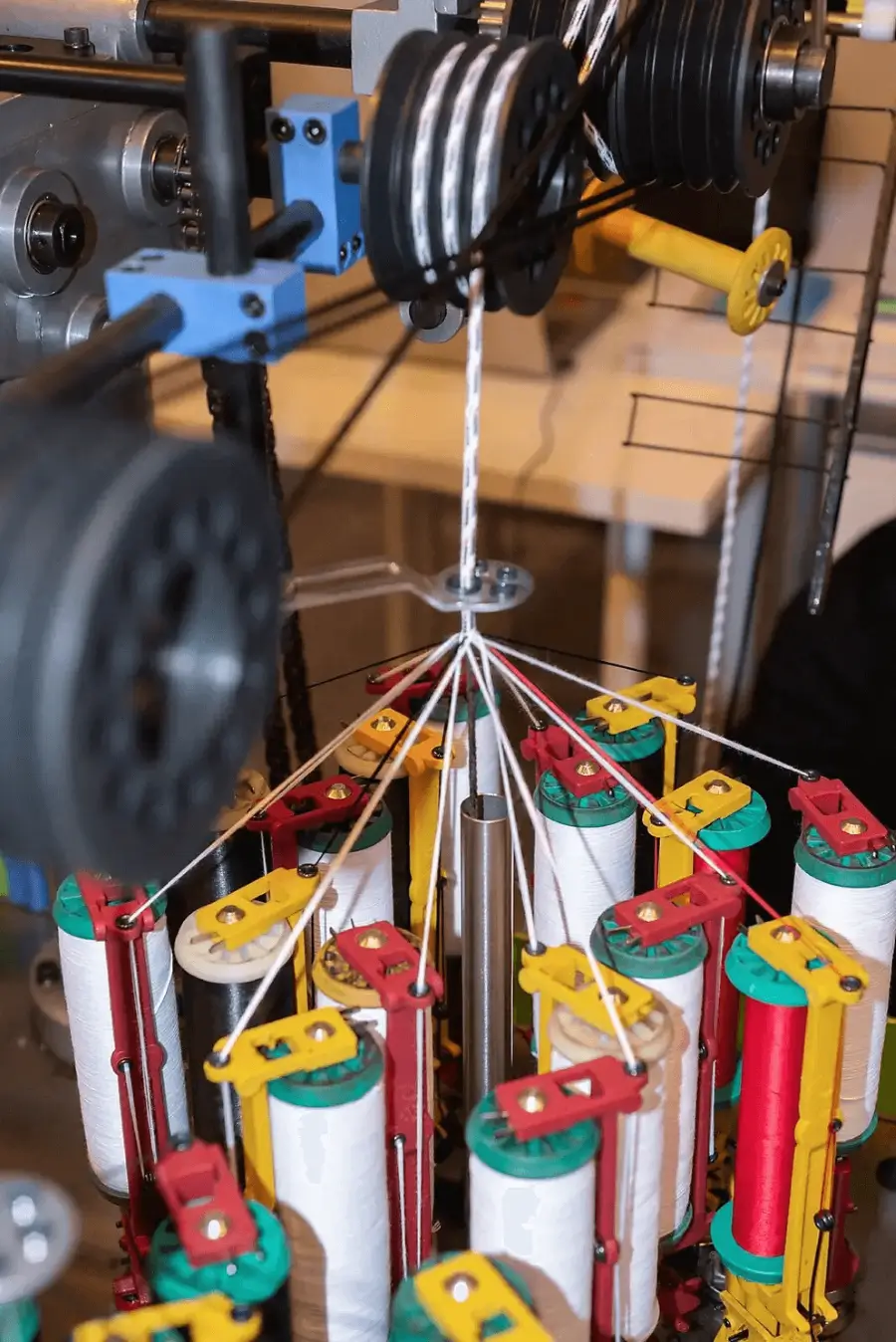
The best rope consists of pure UHMWPE fibers. A 12-strand UHMWPE build provides absolute peak vehicle pulling performance. A typical 3/8 synthetic winch rope possesses over an 18,000 lb pull rating. It resists UV rays and water. A synthetic winch rope stores zero kinetic energy. The structural stability minimum limit must remain at 150°C during heavy operation. It is lighter, stronger, and safer for extreme American trail conditions.
Let’s Dive Deep!
Are you ready to upgrade your off-road recovery gear? Giant steel cables break under extreme pulling force. A premium-quality synthetic winch rope provides high strength and total safety. We examine membrane materials, load capacities, and harsh climate resistance. Choose this intelligent alternative for your off-road vehicle for complete trail security.
Core Mechanics of Synthetic Winch Rope!
The Physics Of UHMWPE Fibers
These thick mapping lines consist of complex polymer chains weaving an intricate fabric. This precise manufacturing process attracts huge numbers of people to pull heavy loads. Drivers outperform old steel cables and save heavy vehicle weight.
- Superior Strength Ratio: A typical 3/8″ synthetic winch rope possesses over an 18,000 lb pull rating before structural damage occurs.
- Kinetic Energy Safety: Synthetic fibers do not hold kinetic tension during any heavy vehicle recovery operation. The rope drops to the ground if it snaps.
- Lightweight Drum Load: A 100-foot-long line weighs under six pounds of overall mass. This little bit of mass contributes to your front vehicle suspension.
Steel Wire vs. Synthetic Winch Rope Comparison!
Traditional steel cable versus modern synthetic rope.
Heavy steel cables do not respond to excessive mechanical strain. Modern vehicle recovery requires rust-proof synthetic parts to prevent sudden failure. We need to examine actual field test data to understand this fact. Drivers must wear the right safety gear for extreme American trail conditions to avoid major catastrophes. Do you know how much weight your front axle can support during a hard pull?
| Performance Metric | Traditional Steel Cable | Polyethylene Synthetic Line |
| Total Weight (100 ft) | 40+ lbs | Under 6 lbs |
| Kinetic Snapback Risk | Extremely High | Zero |
| Aquatic Buoyancy | Sinks Instantly | Floats Safely |
| Corrosion Potential | High | Zero |
Structural Degradation And Internal Friction
Steel wire absorbs grainy trail gunk deep inside its core. This abrasive dirt causes the internal metal wires to wear away. Overtighten the steel cable, and it cannot recover from the permanent physical kink.
Kinked steel loses 30% of its baseline pulling strength. Synthetic fibers resist this destructive crushing force. I pulled a heavy truck in Utah, and a snapped steel cable almost ruined our trip.
Local Monsoon Mud And Rust Acceleration
Dense mud wrecks raw metal in wet American locales. The heavy steel drum encases any water trapped inside the thick mud. Rust eats the steel wire from the inside out. Plastic fibers create a physical block against water during wet seasons. This simple material upgrade saves your expensive recovery gear from total destruction.
Kinetic Energy Storage And Operator Safety
Steel cables pack a gigantic amount of kinetic vibration under high pulling tensions. A snapped steel line recoils backward with lethal force toward the vehicle. A synthetic winch rope stores zero kinetic energy during standard vehicle extraction processes. A broken rope drops to the dirt ground. This specific physical reaction protects the vehicle operator from serious bodily injuries.
Buoyancy And Deep Aquatic Recoveries
Heavy steel slips out of hands and sinks underwater. Operators find it hard to drag a heavy metal line across a river. Synthetic cables float on top of the water surface. Operators can deliver the floating line to the opposite river bank without struggling. For port operations, a marine mooring rope provides similar buoyant advantages.
Extreme Temperature Flexibility Metrics
Steel becomes brittle during freezing winter weather conditions on the trail. Operators cannot unspool a frozen steel cable by hand. Premium synthetic fibers remain flexible down to -40°. The pliable material avoids forming dangerous micro-fractures under substantial load weights. This flexibility provides dependable mechanical performance during extreme winter vehicle recoveries.
Load Testing And Marine Compliance Standards
Industrial heavy operations demand verified and tested mechanical reliability for safety. Premium synthetic lines comply with OCIMF MEG4 tension guidelines. Manufacturers test these specific cables until they snap apart. They provide approved minimum breaking load values for safe trail operations.
Rusty steel lacks this verifiable safety margin for heavy commercial pulling tasks. According to maritime authorities, OCIMF MEG4 guidelines guarantee reliable synthetic mooring strength.
Spooling Weight And Vehicle Suspension Load
An entire steel winch spool weighs more than 40 pounds. This heavy mass drags down your front vehicle suspension system. A 100-foot synthetic line weighs less than six total pounds to carry. Drivers save their front shocks with this massive weight reduction. This simple upgrade improves your off-road driving experience.
Field Repair And Trail Splicing Capabilities
Operators cannot repair a broken steel cable on the dirt trail. Operators must change the entire heavy spool at the professional shop. Drivers can splice a broken twelve-strand synthetic line in ten minutes. Operators need a simple hollow metal fid tool to complete this repair. I fixed a broken 3/8 line in knee-deep mud using a basic aluminum fid, saving our weekend off-road trip.
Daily Maintenance Needs And System Washing
Operators must apply heavy oil to steel cables to prevent rapid structural rust. This thick oil attracts abrasive trail dust and sharp sand particles. Operators wash synthetic fibers using clean and warm water. Drivers can flush out the embedded sand from the internal fiber core. Clean lines maintain peak pulling strength for years of hard off-road use.
Primary Types of Synthetic Winch Ropes!
Graphic comparing synthetic winch rope weave architectures.
Factories twist the individual fibers to suit each particular off-road recovery job. Buyers must match the rope design to their specific vehicle winch setup. Each weave pattern provides unique mechanical benefits and physical strengths. Buyers should choose the proper architectural profile for their operational weight limits. Are you running a lightweight ATV or a massive heavy diesel truck?
| Architecture Type | Best Application | Heat Resistance Limit | Splicing Difficulty |
| 12-Strand Single | Standard UTV / 4×4 | 300°F | Low |
| Double Braid | Industrial Towing | 300°F | High |
| High-Heat Hybrid | Extreme Rock Crawling | 800°F | Moderate |
| Dyneema SK78 | Deep Mud Extrication | 300°F | Low |
| Plasma Braided | Logging Operations | 300°F | Moderate |
| Kevlar Blended | Military Deployment | 400°F | High |
12-Strand Single Braid
This simple weave forms the structural baseline for the off-road industry standard. Most modern hard-charging off-road trucks incorporate this effective architectural weave. The open profile flattens across the bare aluminum winch drum. This precise flattening operation distributes heavy loads while avoiding dangerous cable jamming.
- Open Weave Structure: This specific design keeps the rope from physically crushing itself under tension.
- Easy Field Splicing: Operators need a basic metal splicing fid to repair this broken line.
- Standard UTV Use: Professional operators rely on this specific open weave design for their ATV winches.
Double Braid Sleeves
Commercial towing activities demand extreme abrasive resistance from the harsh outside environment. Manufacturers build a second protective polyester layer over the core strength fibers. This thick cover absorbs all primary physical damage from sharp trail rocks. The inner load-bearing core remains secured and in working shape.
- Protective Outer Jacket: Thick polyester covers take the heavy damage from sharp, jagged rocks.
- Industrial Towing Applications: Commercial tow trucks pull these durable lines behind their heavy flatbeds.
- Heat Shield Integration: Buyers should search for high-heat crimson bottom sleeves when buying.
Specialized High-Heat Lines
Internal mechanical winch brakes generate a massive thermal output during heavy operation. The bare metal drum turns red-hot from heavy mechanical pulling. Plastic fibers melt under such extreme thermal load conditions. Premium models include specific thermal shields near the spool base to prevent dangerous melting.
- Aramid Fiber Bases: These thick aramid base pieces can withstand 800 degrees Fahrenheit without failing.
- Preventing Catastrophic Melt: Hot drum wraps melt together and cause permanent spool damage.
- Jeep Winch Solutions: Specialized thermal protection allows drivers to pull up steep inclines without any heat worry.
Dyneema SK78 Fiber
Advanced chemical engineering produces this specific molecular chain for maximum strength. While the industry searches for a generic synthetic line, the actual material uses a specialized UHMWPE variant to avoid brand-name markup costs. This exact variant provides the best physical resistance to static tension creep. Engineers use this premium material to equip heavy vehicles for extended recovery missions.
The fibers hold massive weight loads without stretching or physically deforming.
- Minimal Static Creep: The fibers resist unwanted elongation when placed under heavy tensile loads.
- Marine Grade Coating: Special chemical dips block both deep water and thick mud.
- High Load Capacity: These large line diameters hold more than 18,000 lbs of weight.
Kinetic Recovery Hybrids
Some specialized recovery units combine stiff pulling cores with slight mechanical elasticity. Conventional winch lines prohibit any physical stretch during use. New engineering models offer slight cushioning to handle jarring directional vehicle changes. This minor stretch eliminates structural frame tearing on your vehicle’s front bumper. For dynamic pulls, consider a Kinetic Recovery Rope 2.
- Shock Absorption Tech: Engineers use this specific design to absorb sudden mechanical jerks during hard pulls.
- Reduced Frame Stress: This unique design optimizes sheer force on your bumper mounting bolts.
Plasma Braided Ropes
Special plasma manufacturing methods align the internal polymer chains together. This factory treatment increases the total breaking strength of the line. Commercial loggers use this specific version to drag heavy deadweight through thick forests.
- Enhanced Tensile Strength: This specific line can carry much more weight than average standard lines.
- Extreme Density Weave: The tight weave inhibits deep sand from entering the core during vehicle recoveries.
Kevlar Blended Lines
Military defense contractors mix pure Kevlar fibers into the structural core. This one-of-a-kind blend provides the greatest sheer strength against sharp metal edges. Traditional off-roaders avoid pure Kevlar because ultraviolet sunlight degrades it. The new modern blended jacket solves that specific ultraviolet sunlight weakness.
- Superior Cut Resistance: The strong Kevlar strands prevent sudden slashing by sharp granite rocks.
- Military Grade Specs: Engineers designed these lines to handle combat vehicle recovery requirements.
- UV Protective Dip: A thick polyurethane shield protects the internal fibers against harmful sunlight damage.
Technical Specifications and Load Capacities!
A testing machine measuring synthetic rope breaking load.
Buyers need to stop reading marketing fluff and look at the raw mathematical numbers. Drivers must calculate their specific vehicle load for total trail safety. A small two-seater requires a different line than a fully loaded three-quarter-ton diesel truck. We outline the strict technical capabilities below to guarantee total safety on the trail. Have you checked your exact vehicle gross weight rating?
| Synthetic Rope Diameter | Minimum Breaking Load | Recommended Vehicle Rating | Standard Winch Size |
| 5/16 Inch | 12,000 lbs | 5,000 lbs | 8,000 lb |
| 3/8 Inch | 18,000 lbs | 7,000 lbs | 10,000 lb |
| 10mm Metric | 23,000 lbs | 9,000 lbs | 12,000 lb |
| 12mm Metric | 30,000 lbs | 12,000 lbs | 18,000 lb |
Correct Winch Rating
Do you know your registered combined vehicle mass right now? Drivers must check their driver-side door panel to find out. Take that exact number and multiply it by one point five for safety. This specific calculation ensures ample pulling power during deep mud recoveries in the roughest American terrains. A buddy of mine ignored his working load limits and snapped a cheap line, costing him a radiator on the Rubicon Trail.
- Lightweight ATVs: A basic 3500 lb winch with synthetic rope works for these small vehicles.
- Mid-Size SUVs: An 8000 lb winch with synthetic rope makes vehicle recovery safe and effective.
- Heavy-Duty Trucks: All heavy diesel trucks require at least a 12000 lb synthetic winch rope capacity.
Breaking Load Metrics
Factories list technical numbers that few everyday buyers understand. Buyers need to separate safe working limits from the absolute structural breaking points. Engineers test these synthetic fibers in strict professional testing labs. Drivers must respect the confirmed secure operating limits to prevent deadly trail accidents.
- Minimum Breaking Load: This specific extreme force breaks a brand-new synthetic winch rope.
- Safe Working Load: This precise metric number means your daily safe limit to operate.
- Fiber Elongation: Synthetic structural fibers stretch little under high mechanical tension during pulls.
Standard Rope Diameters
Thicker rope secures much heavier vehicle weight during extraction from mud. However, thick rope eats up valuable winch drum real estate. Drivers have to balance peak pulling power with maximum spool capacity capability. Small recreational off-road vehicles use light synthetic lines without issues. Heavy commercial trucks require a thicker synthetic winch rope for safe daily operations.
- The 3/8 Line: This common line secures at around 18000 lbs of pulling force.
- The 5/16 Line: This precise dimension fits on minimum small off-road SUVs.
- Industrial Thick Lines: Heavy logging equipment uses weighted ropes measuring 12mm thick for stability.
Advanced Core Materials
Modern recovery lines use ultra-high-molecular-weight polyethylene for absolute maximum structural strength. This particular molecular structure allows for high tensile strength under load. The premium material resists dangerous structural degradation over long periods of time. These advanced synthetics outperform rusty steel cables during high-performance commercial heavy pulling operations.
- Molecular Alignment: High levels of exact manufacturing processes lead to higher overall tensile strength.
- Chemical Coatings: Premium marine chemical coatings repel both abrasive dirt and deep water.
Thermal Resistance Limits
Heavy winching creates high internal brake heat during the pull. Standard fibers melt in no time under such heavy thermal loads. Higher-end models include protective aramid heat shields at the base of the drums. Any extreme tension might lead to catastrophic line failure in harsh desert environments without proper protection.
I saw a melted line in the Mojave Desert because the driver lacked a proper heat shield. Polymer engineers note that oriented UHMWPE structures typically melt near 150 degrees.
- Aramid Base Sections: These durable line sections take 800 degrees of heat with incredible ease.
- Catastrophic Melting: Hot fused foundational wraps destroy the entire winch spool.
Local Environmental Factors
Cheap recovery gear does not hold up in aggressive regional climates. Monsoon humidity causes a breakdown of cheaper materials on the trail. Buyers need to buy equipment officially rated for extreme weather exposure. Dense fibers keep thick mud out while minimizing internal water retention for a longer life.
- Mud Intrusion Prevention: Tight braiding keeps those sharp sand grains out of the internal core.
- Aquatic River Crossings: Lighter synthetic fibers float on water during deep river crossings.
- Sub-Zero Flexibility: Premium braided ropes stay flexible in subzero, freezing winter conditions.
ISO Testing Standards
Buyers should not trust unverified marketing claims made by cheap overseas manufacturers. Professional experts rely on well-documented mechanical test data for safety. Good quality recovery ropes meet strict international testing standards without any exception. Engineers check maximum output ratings for certainty before mitigating industrial and heavy commercial projects.
- Certification Requirements: Buyers must insist on getting verifiable factory batch testing certificates before buying.
- Maximum Output Capacity: This specific rating shows how much capacity the line holds without structural failure.
Step-by-Step Installation and Proper Spooling!
Operator carefully spooling blue synthetic winch rope.
Improperly installed winch lines will fail right away during field use. Winch operators must tighten down and secure the new line during setup. An eccentric reel ensures catastrophic rope binding under severe payload loads. The laps for proper tensioning keep the structure from slipping on undulating backcountry trails. Do you spool your line every single time you recoil it?
Attach Synthetic Rope
Operators must eliminate the existing steel cable and wash the drum surface. Operators have to find sharp metal burrs and file them flat. This vital prep work protects the new synthetic fibers from microscopic abrasion damage. I skipped filing a tiny burr on my Warn drum once, and it frayed my brand-new 10mm synthetic winch rope within a single month.
- Setting the Terminal End: Slide the flat tip through the designated drum mounting hole. Press the supplied set screw into its designated place using a tool. Use a torque wrench to tighten this specific fastener to 15 Nm. Installers compromise load ratings if they crush the structural 12-strand UHMWPE fiber matrix here.
- The Anchor Puck Method: Power winches from premium brands utilize a 10mm steel anchor puck. Push the rope loop into the drum slot and put the metal puck in. Installers should pull the line hard to seat the assembly into the inner recess.
- Tape The First Wrap: Place heavy duct tape on the first foundational wrap. This tactical layer provides high friction to stop drum slippage against a massive lateral pull.
Respool Winch Line
Operators cannot wind the line onto the drum mechanism by hand. Technicians must apply excessive mechanical tension on the line while spooling it in. This heavy tension ensures the line does not bury under itself under a heavy load.
- Applying Operational Tension: Connect the winch hook to a static 5000 kg anchor point. Put the vehicle’s transmission into the neutral gear for the operation. Apply the hydraulic brakes and winch the vehicle toward the fixed anchor.
- tidy themselvesThe 500 Pound Rule: Operators must not spool under continuous drag resistance below 500 lbs. This sustained mechanical force compels the 12-strand fibers tidy into tight, parallel rows.
- Guide The Wraps: Operators should wear ANSI A5 cut-resistant safety gloves at work. Operators must run the rope from side to side to create tight foundational rows.
Field Emergency Repairs
A broken winch line brings heavy recovery operations to an immediate halt. Trained technicians can perform a safe field splice in wet mud conditions. This quick repair restores the structural load capacity of the line.
- How To Splice Rope: Use a standard 12 mm hollow aluminum splicing fid tool for the job. Reinsert the broken bitter end through the hollow center core of the main line. Mechanical tension squeezes the core fibers together without requiring any fancy or complex knots.
- Synthetic Rope Repair Kit: Store an ISO 14001-compliant synthetic winch rope repair kit inside your vehicle storage box. Your kit requires a splicing fid, heavy tape, and sharp ceramicscissors Blunt knives cannot make clean cuts on pure fibers without damaging the internal structure.
- Bury Length Standard: Technicians must bury 21 fids of line length into the core. This specific mathematical distance stops a splice slip from taking place under a massive load.
Verify Hardware Integrity
Technicians must check all structural elements of the drum before attaching the new line. Corroded fasteners hold the entire heavy assembly together poorly and risk total failure. A failed fastener during heavy pulling operations causes catastrophic systemic failure on the trail.
- Fastener Replacement Process: Remove the rusty fastening bolts using a simple 10mm socket wrench tool. Add new hardware to secure the winch housing assembly. Apply thread locker on every bolt to guard against vibration-induced loosening.
- Motor Heat Verification: Basic lines suffer fast thermal decay when the internal temperature exceeds 150°C. Technicians must check the interior brake system for excessive mechanical wear and tear. Install a thermal protective sleeve on the first 3 meters of rope to block extreme heat.
- Fairlead Polish Technique: Polish the inside of the hawse fairlead using 400-grit abrasive sanding pads. Technicians avoid micro-dimension scoring and friction damage to gain more years of working life.
Common Challenges a Troubleshooting Wear!
Laboratory analysis showing internal rope fiber abrasion.
Synthetic fibers break down after prolonged and heavy mechanical action. Operators should do a thorough visual inspection before each pull over a 5000 kg capacity. Structural fatigue detection avoids operational losses during the recovery of heavy off-road vehicles.
Challenge 1: Internal Fiber Abrasion
Microscopic dirt particles seep into the braided core matrix. Operators must bend the rope every 30 days to expose deep sand accumulation. This simple bending reveals broken 12-strand UHMWPE fibers for immediate removal and repair.
Light surface fuzzing protects the inner core matrix from minor physical damage. Operators must replace the whole assembly if deep cuts slice more than a quarter of the strands. Faded blue fibers show ultraviolet deterioration, causing a 15% loss of tensile strength. Operators must ensure proper mechanical functionality by following strict ISO 9001 maintenance specifications.
Challenge 2- Severe Drum Heat Accumulation
Prolonged mechanical extraction provides an advantage but overheats the internal brake system components. The drum surface transfers exceptional thermal variation into the foundational rope strands. This transferred heat develops rapid temperature deterioration and catastrophic physical fiber melting.
Operators must not power out the winch under static loads greater than the specific device allowables. Operators should use the electric motor and then cool it for 30 seconds every half minute. Confirm that the aramid thermal sleeve covers the first 3 meters of the bare drum. This specific sleeve prevents continuous heat spikes of 150°C and prolongs the rope lifespan.
Challenge 3- Catastrophic Line Binding
Loose foundational wraps allow the tensioned top layers to wedge down between them. This specific mechanical binding destroys and damages the distinctive fibers of the synthetic core. It takes 226 kg of operational drag to hold the rope in a secure position.
Binding occurs if operators do not maintain that tension, requiring them to respool it by hand. Operators must use the free-spool mode and reverse the vehicle to free wedged lines. Install a synthetic winch rope extension to keep the heavy drum layers from penetrating the lower rungs.
Industry Applications and Real-World Deployments!
Muddy vehicle recovery using a snatch block.
Various heavy-duty functions require unique methods of mechanical vehicle rigging. Operators must use rigorously tested winching parameters to avoid catastrophic equipment breakdown on the job.
ISO-certified synthetic lines ensure absolute maximum safe working loads in different operational work environments. Safety specialists claim utilizing lightweight synthetic fibers drastically minimizes dangerous kinetic snapbacks.
Overlanding And Deep Mud Extrication
Deep mud creates powerful vacuum suction forces that are huge and dangerous. Operators need to apply continuous 3000 kg mechanical tension while operating snatch blocks. The safe double-line pull avoids systemic structural degradation and works against dangerous thermal overload.
Abrasive Granite Rock Crawling
Jagged granite edges shred soft structural recovery gear to tiny bits. Drivers unleash heavy-duty tree saver straps and a reliable 10mm soft shackle 2 to combat this issue. This exacting rigging setup prevents fatal line abrasions during rapid suspension compressions.
Commercial Agricultural Towing
Daily heavy logging for agricultural practices results in terrible physical line degradation. Commercial crews place 12mm ultra-high-molecular-weight polyethylene lines for reliable zero-stretch dragging operations. Using a polyester tow strap provides extra utility here. Operators perform weekly high-pressure water washes to maintain strict compliance with safety requirements.
Heavy Logistics Cargo Securing
Industrial transport demands total physical stability of the heavy freight load. Logisticians retain the use of massive 15,000 lb rated synthetic lines to haul heavy assets. They pair these with a heavy lifting strap to optimize cargo handling. This known configuration provides excellent chemical stability with a 5-year operational life under continual strain.
Emergency Utility Vehicle Recovery
Utility fleet vehicles need to be ready for immediate emergency deployment at any moment. Rescue teams use durable 12-strand synthetic ropes rated for massive 10,000 kg vehicle pulls. This specific configuration performs compliant extractions in strict accordance with National Regulation Code specifications.
Strategic Buying Guide: Procurement Metrics!
Coiled grey synthetic winch rope with hook.
Buyers should not buy expensive recovery gear based on how factories package it. Techies need full confirmation of exact, tactical technical specs before they launch any winching operation. Your physical operational safety rides on this 12-strand structural integrity surviving under maximum payload stress. Do not gamble with cheap equipment.
Step 1: Assessing Specialized Coating Technologies
Dye color visibility reveals nothing about actual field performance or durability. The specific chemical treatment dictates the true environmental resistance of the heavy rope. Procurement officers must choose a polyurethane-soaked matrix to restrict sand addition through tiny microscopic pores.
- Marine-Grade Treatments: Buyers must make sure that marine-grade polyurethane compounds saturate the rope fibers.
- UV Chemical Dips: Inexpensive green synthetic winch rope fibers fade when left exposed under direct sunlight.
- Price Expectation Metrics: Buyers should plan to invest around $250 for dependable 10mm coated recovery lines.
Step 2: Manufacturing Traceability And Warranty
Fleet managers must insist they get real certificates of batch testing from the actual manufacturing factory. Professional operators obligate written evidence proving a breaking strain of 8000 kg before purchase.
- Batch Testing Data: Reject any unrecognized generics that lack a verified certificate of exact breaking strain.
- Warranty Claim Scope: Confirm that the standard manufacturer warranties cover specific ultraviolet light structural degradation.
- Authorized Dealer Sourcing: Buy your equipment from certified dealers that handle instant factory returns.
Step 3: Calculating Long-Term ROI
Buyers need a large initial investment to get the top-quality recovery gear needed. Using cheap hardware leads to massive vehicle destruction and expensive body repairs. A high-performance 3/8 synthetic winch rope achieves an established five years of working life under severe use.
- Standard Replacement Cycles: Economy lines possess a short lifespan of 5 years with frequent water washing.
- Collateral Damage Costs: Snapped cheap ropes equal destroyed, rolled-over heavy off-road vehicles on the trail.
- Used Gear Policy: Do not purchase used lines without a documented and verified history of actual use.
Step 4: Evaluate Synthetic Fiber Grades
Synthetic materials do not all offer the exact same mechanical performance metrics. Operators need to know the precise molecular weight of the fibers they buy. Ultra-high-molecular-weight polyethylene sits higher than cheap nylon options found in standard local stores.
- UHMWPE Core Fibers: Drivers require a 12-strand UHMWPE build for absolute peak vehicle pulling performance.
- Heat Resistance Limits: The structural stability minimum limit must remain at 150°C during heavy operation.
- Friction Coefficient Testing: A friction coefficient close to zero prevents internal fiber heat accumulation from starting.
Step 5: Review Splicing And Hardware
The terminal hardware dictates the overall structural safety limit of the entire winching system. Buyers must evaluate the manufacturing quality of the metal thimble and the hook. Factory splices must use an exact 21-fid bury length to ensure absolute maximum load retention.
- Heavy-Duty Thimbles: Buyers must demand class 8 steel tube thimbles for their synthetic winch line.
- Forged Hook Attachments: Check that the forged hook ratings fit within the 8000 kg line.
- Factory Splice Standards: Verify if the buried core lengths comply with current industry safety standards.
Step 6: Audit Regulatory Compliance
Corporate procurement teams need to confirm strict compliance with stringent industry safety standards. Procurement teams must ensure every purchased unit has certified documentation demonstrating compliance with OSHA 1926.1431 heavy lifting regulations.
- ISO Certification Requirements: Compulsory manufacturing must happen according to strict ISO 9001 quality standards.
- Load Rating Tags: Metal load rating identity tags must be visible on the recovery equipment.
- Corporate Safety Policies: Execute purchases according to internal heavy payload safety regulations.
Step 7: Analyze Kinetic Properties
Static recovery lines act differently than kinetic ropes under heavy mechanical pulling tension. Buyers must find a stretching factor of up to 3% to avoid sudden snap recoil kinetic energy.
- Static Load Parameters: Fix the maximum pulling tension below the critical threshold of dangerous kinetic energy.
- Elasticity Measurement Standards: Reject the recovery line if it surpasses a 3% tested elasticity rating.
- Recoil Mitigation Design: Low stretch ensures the line drops straight down if it ever fails.
Step 8: Validate Contaminant Resistance
Most recovery equipment exists where chemical contaminants remain abundant in harsh industrial field environments. Buyers must specify high resistance to engine oil, hydraulic fluid, and corrosive battery acid.
- Petrochemical Exposure Limits: Check the line’s physical integrity for any direct spill of corrosive hydraulic fluid.
- Acid Degradation Rates: Fiber matrices must remain resistant to structural corrosion by standard battery acids.
- Cleansing Protocol Viability: Make sure that heavy industrial cleaners cannot remove the protective polyurethane coating.
15 Technical FAQs For Rapid Answers!
What Is the Best Synthetic Winch Rope?
The best rope consists of pure UHMWPE fibers. It resists UV rays and water. Verify the maximum load rating before purchasing any rope.
How to Attach Synthetic Rope to a Winch?
Operators secure one end on the drum’s hole. Use the provided set screw. Wrap the rope under heavy tension to avoid an improper wrap.
Is Synthetic Rope Better Than Cable For A Winch?
Yes, it is better. It is lighter, stronger, and safer. It stores zero kinetic energy. It falls straight down if it breaks under tension.
How to Repair Synthetic Winch Rope?
Technicians will use a standard hollow metal fid tool. Loop the broken end back into the central cavity of the main line. This action creates a strong splice.
What Size Synthetic Winch Rope? Do I Best Synthetic Winch Rope: Complete Guide for Off-Road and Recovery Use!need?
Take your total vehicle weight and multiply it by 1.5. Drivers need a 3/8-inch rope with a tensile strength of 8,000 pounds for an ordinary Jeep Wrangler.
Can I Put Synthetic Rope On Any Winch?
Yes, but operators have to swap out the metal fairlead. Remove the old steel rollers. Opt for a seamless aluminum hawse fairlead to ensure the fiber does not shred.
How To Wash A Synthetic Winch Line
Unspool the line off the winch drum. Place it into a clean bucket of warm water. Agitate it to suck up any stuck sand, then let it air dry.
Why Does My Winch Rope Melt?
Each winch brake makes tons of extreme heat when powering out. Operators must have the aramid heat sleeve on their rope at the base of the drum.
How Long Does A Synthetic Winch Rope Last?
A top-quality rope lasts for about five full years. UV sunlight and sharp trail abrasion dictate its actual lifecycle. Use a protective cover when it is not in use.
What Is A Kinetic Recovery Rope?
A 3/4 kinetic recovery rope is designed to stretch under heavy load to pull vehicles free. Winch ropes do not have any stretch. Do not use them interchangeably on the trail.
withCan I Use a Steel Hook With Synthetic Line?
Yes, you can use a steel hook, but flat links in a closed system remain safer. Use a heavy-duty spring latch if using a steel hook to avoid slippage.
How To Replace Winch Cable With Synthetic Rope?
Unspool the heavy steel cable. Detach it from the main drum. File down any sharp metal burrs on the drum surface. Add the new synthetic terminal end.
Does Synthetic Winch Rope Break Easily?
No, it does not break. A regular 3/8 line holds over 18,000 lbs. It breaks if sharp rocks cut it or extreme heat melts it.
What Is the Strongest Synthetic Winch Rope?
Pure 100% UHMWPE fibers possess the best strength-to-weight ratio. They outperform regular heavy steel cables of the exact same diameter.
Do I Need a Winch Dampener with Synthetic Rope?
Yes, drivers need one for safety. A heavy metal hook fastened to the end is safer than a steel cable, but it causes injury. Put the line over a dampener.
Conclusion
Off-roaders need good recovery gear for rough American trails. Upgrading to a high-quality synthetic winch rope prevents a dangerous cable snap. We discussed breaking strengths, advanced materials, and vital maintenance tips. Keep your off-road truck and passengers safe. Visit Duracordix right now to shop for premium ropes built for extreme trail conditions.
About The Author

Moses Xu
VP & Technical Marketing Director
With over 10 years of hands-on experience in high-performance synthetic fiber technology, I help global clients—from professional racing teams to maritime engineering companies—to create unique and special fiber solutions by using high-performance UHMWPE, Kevlar, Nylon fiber, etc. Let’s help you for the next project and solve all your pain points together
 English
  Español
  Deutsch
  Français
  한국어
한국어  Русский
  Português
  Suomi
Suomi