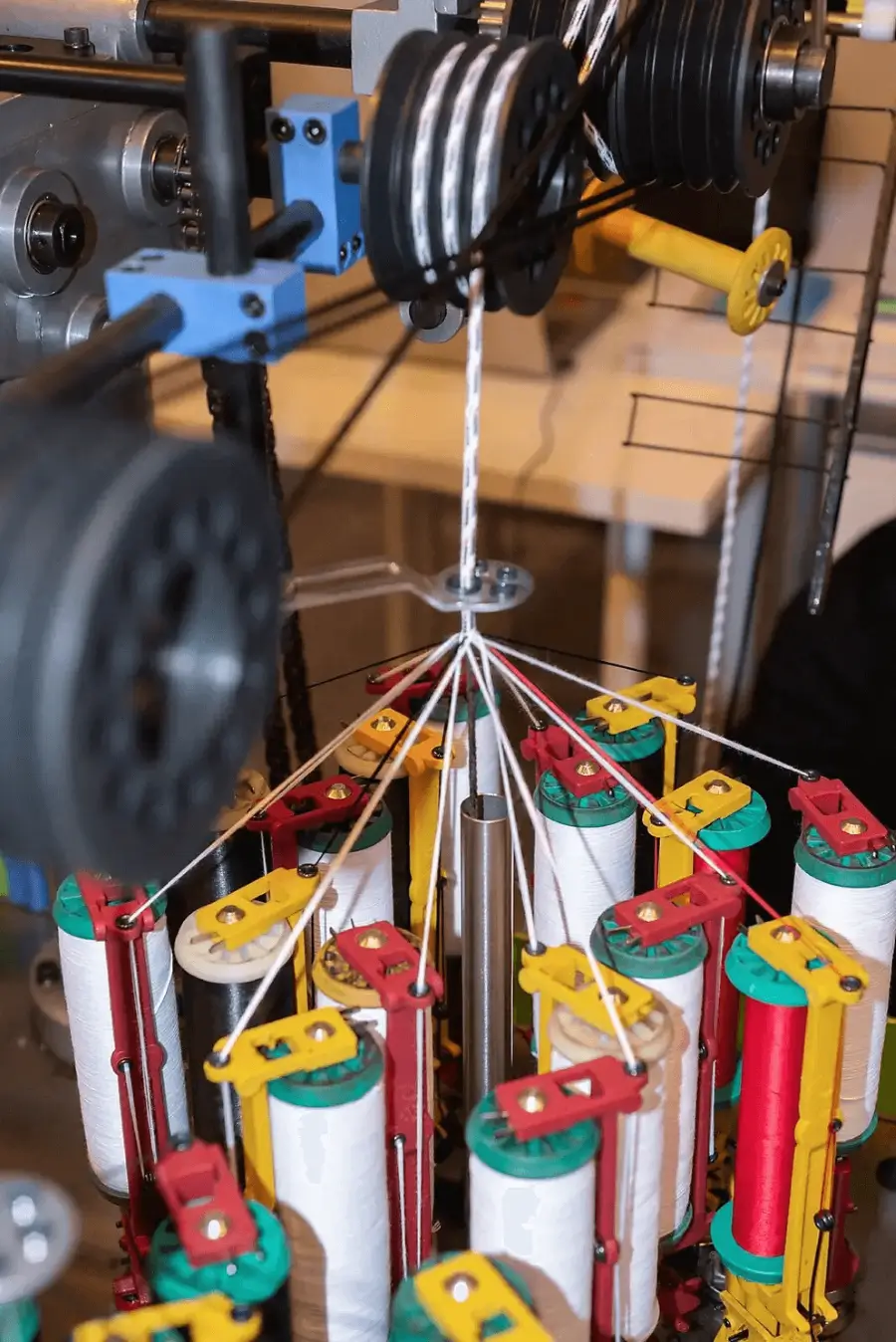
Industrial fleets utilize synthetic polymers. High-modulus polyethylene achieves an elongation rate of less than 15% at 1/7 the weight. Polyamide lines stretch up to 30% to absorb massive kinetic energy. Polyester offers maximum UV resistance. Polypropylene floats on the water. Aramid lines withstand temperatures up to 400 degrees Celsius. Steel wire provides brute force. Composite marine lines protect the strong core.
Unveiling the Roadmap…
Fleet managers cannot just buy the thickest line available today. Modern shipping schedules demand absolute reliability from the types of mooring rope fleets choose. Strict Coast Guard inspections and complicated safety rules make every decision critical. This roadmap breaks down material performance and load capacities to help fleets make data-driven choices for maximum operational safety.
The Core Mechanics of Mooring Ropes!
Deck crews must understand how these thick lines behave during operations before they compare synthetic materials. The mooring process remains highly fluid because the ropes face intense and changing physical forces.
Analyzing Dynamic Tension and Elastic Yield
A massive ship appears static when it arrives and docks at the busy port. However, passing boats and strong wind gusts create giant bumps in kinetic energy. The thick boat mooring lines act as vital shock absorbers for the entire vessel. Therefore, fleet engineers must evaluate every parameter from raw breaking strength to stretch capacity.
- Elastic Recovery Rates: High-modulus polyethylene textiles achieve an elongation rate of less than 15%. This low stretch holds the heavy vessel tight against the pier. This stability makes the material perfect for precision cargo transfers.
- Kinetic Shock Absorption: The movement shock forces the lines to take energy into account through stretching. Polyamide lines stretch up to 30% to handle this extreme force. This elasticity enables them to snap under heavy wave conditions and dissipate the energy safely. Can a deck crew safely manage the massive kinetic shock generated by a passing cargo freighter?
Frictional Heat and Thermal Dissipation
Fleet managers need to understand the 4 orthogonal cases of line load for safety reasons. Hauling lines surge when the operator handles the contiguous manpower segment. That metal contact on the fiber creates an extreme point of heat. The inner core fibers will literally melt from the inside if the outer jacket cannot vent that thermal load.
- Internal Core Melting: Hidden friction burns represent one of the top causes of premature line failure. Engineers design synthetic ropes to prevent internal damage caused by heavy winch cycling. Do fleet managers truly understand the extreme friction limits of their aging deck winches?
- Jacket Abrasion Resistance: Concrete bollards and rusted steel chocks serve to wear down the surface of the line. Manufacturers coat the rope with proprietary polyurethane jackets to overcome this abrasive nature. These jackets provide variable levels of lower friction depending on the specific model selected.
Verified Minimum Breaking Metrics
Procurement officers cannot afford to guess what their heavy lines are rated for. The maritime industry builds safety by testing absolute limits through strict independent laboratory techniques. This process serves as the benchmark parameter for all vital safety calculations. Independent labs destructively test brand-new lines until they break.
- Line Design Break Force: This metric determines the precise amount of force needed to snap the lines. Maritime safety experts note that mooring operation accidents are a leading cause of seafarer injuries.
- Safe Working Percentages: Fleet operators use standard operational guidelines to maximize the life of the line. These guidelines ensure the deck remains safe for everyone. The rules allow no more than 22% of working loads a day to reach the verified breaking limit.
| Performance Metric | Evaluation Parameter | OCIMF MEG4 Standard |
| Maximum Elongation | Percentage at Break | < 15% for HMPE |
| Thermal Resistance | Critical Melting Point | > 140°C threshold |
| Friction Endurance | Continuous Cycles | > 5,000 load cycles |
Analyzing The Types Of Mooring Rope For Industrial Fleets!
Industrial fleets utilize synthetic polymers that remain suitable under the anticipated operational environment. We must analyze what makes up such materials and how they dominate modern ports today. A seasoned fleet procurement officer realized that calculating the total cost of ownership prevented massive vessel downtime penalties.
High-Modulus Polyethylene (HMPE / UHMWPE) Core Characteristics
Heavy commercial shipping considers HMPE the absolute gold standard across the industry. Procurement teams often search instinctively for the Dyneema brand to assure high specifications. However, smart buyers know that advanced versions of UHMWPE deliver the exact same strength. This alternative provides the required weight profile at a fraction of the normal price.
HMPE Deployment Advantages
- Exceptional Weight Reduction: This material dramatically reduces the weight to about 1/7 of the breaking strength of steel wire. This reduction happens thanks to its high-strength core construction.
- Low Elongation Properties: Little to no stretch keeps the large cargo vessels perfectly aligned with port cranes. This tight alignment helps during the heavy loading and unloading sequences.
- Chemical Exposure Resistance: Harsh industrial solvents and caustic cleaners exist on almost every commercial deck. These dangerous chemicals roll off the HMPE lines without damaging the outer surface.
Polyamide (Nylon) Dynamics And Structural Elasticity
Nylon remains the standard fabric for ships that operate in severe and inclement weather. The different types of mooring rope often feature nylon for extreme situations. The material offers phenomenal shock-absorption properties for rough seas. Operators use this rope in extreme wave conditions or as a dedicated tail on a stiffer line.
Polyamide Operational Limits
- Kinetic Energy Absorption: The stretchable cycles allow the material to absorb massive amounts of kinetic energy. The line stretches up to 30% and survives violent hydrodynamic peaks.
- Wet Strength Reduction: Engineers need to account for a massive strength reduction of 15% or more. This reduction happens when the core of the material becomes fully saturated with ocean water.
- Thermal Damage Susceptibility: Nylon remains extremely prone to severe friction burns during operation. This damage occurs if the operator surges the line on a steel winch drum too quickly.
Polyester Blends And High-Tension Capabilities
The polyester mooring rope stands as the trusted workhorse of the marine industry. It lacks the world-class strength of HMPE but remains super durable. The material offers great UV resistance for very long deployments under the sun.
Polyester Engineering Metrics
- Maximum UV Resistance: Engineers test the molecular failure limits under constant and intense direct sun exposure. The material never fails during these rigorous outdoor tests.
- Low Creep Susceptibility: The line retains its length excellently under continuous static loads. This stability completely prohibits any slow drifting of the vessels away from the pier.
- High Surface Friction: Operators developed this line for simple and grippy steel winch drums. Deckhands can slowly control the heavy line and avoid building up dangerous heat.
Polypropylene Variables And Secondary Fleet Limits
Polypropylene provides a very budget-friendly option for smaller operations. It floats on the water and remains light for the crew to handle. This feature proves somewhat useful for inland towing or secondary operations. However, the durability issues mean it does not work well for heavy primary mooring.
Polypropylene Operational Data
- Low Procurement Costs: Fleet managers prefer this option if they operate on a relatively tight budget. It works well for tugs or regional operations where crews replace lines frequently.
- Rapid UV Degradation: Sunlight attacks the chemical bonds of the rope over the years. This chronic exposure causes the bright material to become very brittle and weak.
- Low Melting Points: The line faces a serious risk of impossible melting during operation. This disaster happens if the line gutters out on a rotary winch by the mistake of the deckhand.
Aramid (Kevlar) High-Temperature Resistance Profiles
Aramid lines provide highly specialized functions for very specific industrial conditions. Standard deck crews would not find them on a conventional container vessel. They remain absolutely vital for particular situations where ordinary synthetics would instantly dissolve.
Aramid Technical Specifications
- Extreme Thermal Tolerance: These lines withstand temperatures up to more than 400 degrees Celsius. The material maintains its physical form despite the extreme and punishing heat.
- Zero Operational Creep: The line possesses a highly stable physical length through maximum tension. It does not stretch out of shape during heavy hauling.
- Axial Compression Damage: These specific marine lines remain extremely stiff during regular use. The ceramic fiberglass internal fibers can crush and break while moving around narrow corners.
Traditional Steel Wire Rope Configurations
Steel wire remains the only real option for enormous offshore drilling rigs. These massive rigs need brute force to fight intense deep-sea crosscurrents. Most American fleets now transition to synthetics to protect their crews and lower maintenance costs.
Steel Wire Parameters
- Maximum Output Capacity: The threshold pushes well above the peak multi-ton dynamic tension limits. The steel provides predictable reliability for the most extreme industrial applications.
- High Salinity Corrosion: The steel needs frequent and excessive doses of thick marine grease. This messy grease keeps the harsh seawater from corroding deep into the heavy cables.
- Lethal Kinetic Recoil: Steel wire breaks hard enough to create deadly deck mishaps. This fatal whiplash occurs if the operator pulls the wire far beyond its physical limits.
Mixed-Fiber Composite Marine Lines
Manufacturers now create hybrid ropes instead of forcing buyers to choose just one material. These modern ropes feature tough polyester outer jackets to protect the strong core. This smart combination offers the absolute best of both worlds for the fleet.
Composite Line Advantages
- Custom Buoyancy Density: Manufacturers infuse specific fibers that sink and other fibers that float. This mixing process leads to lines perfectly designed for neutral buoyancy in the water.
- Superior Jacket Protection: A tough outer layer protects the more costly internal shell. This barrier blocks harmful UV light and prevents severe concrete wear.
- Optimized Procurement Cost: This design enables fleets to utilize elite core strength. At the same time, it uses cost-effective materials for the outer protective layers.
| Material Type | Elasticity Profile | UV Resistance Level | Primary Fleet Application |
| HMPE / UHMWPE | Extremely Low | Good | Heavy Commercial Transport |
| Polyamide | Very High | Moderate | Extreme Wave Environments |
| Polyester | Low to Moderate | Excellent | Long-Term Stationary Docking |
| Polypropylene | Moderate | Poor | Light Secondary Towing |
| Aramid | Zero Creep | Poor | High-Temperature Offshore |
Technical Specifications And OCIMF MEG4 Regulatory Compliance!
Port State Control inspectors do not care about a glossy manufacturer marketing brochure. They ask to see hard facts and documented evidence regarding the hardware. The documentation must prove the mooring system meets strict MEG4 compliance. Does the current line inventory hold up to the intense scrutiny of a port state control inspection?
Minimum Breaking Load And Dynamic Tension Metrics
The active lines should hold ratings for the total displacement of the specific vessel. Independent testing services yank brand-new synthetic lines apart to find the limits. They determine the devastated absolute maximum pull-out factors for safety.
- Minimum Breaking Load (MBL): This number represents the absolute maximum rupture point of the rope. That one solid number forms the backbone of the entire safety management plan.
- Dynamic Load Handling: This metric shows how the rope absorbs massive and violent impacts. Passing ships displace huge waves that slam into the cramped vessel without breaking the line.
- Safe Working Percentage: This daily working loading directive keeps the enjoyment factor below ultimate thresholds. This strict rule averts premature fiber fatigue and keeps the deck secure.
Environmental Resistance And ISO Testing Standards
A strong rope means nothing if it rots after 6 months at sea. Modern synthetics endure vacuum testing to the absolute limits of ISO 2307. These tests prove the materials can withstand whatever harsh elements nature creates.
- Ultraviolet Light Degradation: Engineers remove lines from simulated sunlight testing after a long time. They check if the chronic exposure causes the line to become brittle and fail.
- High Salinity Corrosion: The testing ensures that the fibers naturally repel the harsh seawater. Salt crystals cannot enter the core and cut into the internal yarns as they dry.
Mandatory MEG4 Documentation And Certification
The heavy line does not meet strict specifications without the proper official paperwork. Trust within the maritime sector operates solely on formal third-party verification.
- System Management Plan: This living document lives on the bridge of the ship. It outlines exactly how the crew deploys, inspects, and retires the active lines.
- Line Management Certificate: This official documentation from the manufacturer certifies the testing parameters. It displays the real test results from the exact delivery rope the fleet purchased.
Retirement Criteria And Residual Strength Evaluation
The MEG4 standard uses hard data to eliminate dangerous assumptions when replacing a line. The days of a bosun simply looking at a rope to determine its safety are gone.
- Core Extraction Testing: Technicians test small inner core samples in a controlled laboratory environment. They determine the exact point where the worn rope retains absolutely no safety reserves.
- Thermal Imaging Scans: Inspectors perform these deep scans during more in-depth deck evaluations. The cameras locate unseen internal friction burns that do not appear on the external sheath.
Tracking Structural Data and Operational Influence
Clean data provides the ultimate foundation for intelligent purchasing decisions. Engineers monitor which mooring line types last longest on specific vessels. This diligent tracking enables fleets to optimize their expensive procurement cycles.
- Source Credibility Check: Procurement officers must confirm the origin of all testing certificates. They ensure recognized global testing organizations issue the documents to maintain absolute compliance.
- Operational Data Density: An internal database tracks how many lines the fleet consumes over time. This data helps predict replacement needs and successfully avoids costly rush-order shipping fees.
| Regulatory Requirement | Evaluation Metric | OCIMF MEG4 Standard |
| Laboratory Tension Testing | Minimum Breaking Load | ISO 2307 Certified |
| Environmental Degradation | Ultraviolet Resistance | > 1,000 continuous hours |
| Operational Lifespan | Mandatory Line Retirement | < 60% Residual Strength |
Scenario-Based Applications In High-Stress Port Hubs!
A piece of rope works fine in a quiet and enclosed harbor. However, that same rope could ruin everything when forced into a violent offshore situation. Fleet engineers naturally shape their hardware choices for the actual physical world.
Acute Supply Chain Bottleneck Management
Ships face expensive delays when waiting to load and unload at busy ports. Fleet engineers harness very durable HMPE lines to ensure the ropes never fail. This reliability keeps the ever-tight cargo schedules sacrosanct during the transfer process.
High-Salinity Offshore Drilling Operations
Saltwater bombards every deepwater platform in the Gulf of Mexico 24 hours a day. Engineers specify synthetic blends carefully tested to ISO standards for these rigs. The design ensures aggressive salt crystals cannot reach the core and sever the yarns. An offshore drilling engineer in the Gulf of Mexico discovered that salt crystals destroyed cheap lines within just 6 months.
Extreme Tidal Shift Stabilization
Ports with tremendous tidal movements need continual adjustments of the heavy lines. Crews use stretchy polyamide lines to absorb the variable kinetic energy. These lines hold the massive vessel in place as the water level recedes.
Prolonged Stationary Pier Docking
Long-inhabited commercial freighters require extreme UV resistance for safety. Purchasing departments specify polyester marine lines for these prolonged situations. The polyester lives outside underneath a blazing sun for weeks without molecular disintegration.
Automated Vacuum Docking System Backup
Modern terminals gradually roll out high-tech automated vacuum docking systems. However, maritime law still strictly requires physical backup lines for safety. Fleets deploy lightweight HMPE ropes to augment the systems during an unexpected power loss.
Narrow Channel Surge Mitigation
Underwater vacuums form as deep-draft ships pass each other in narrow channels. These vacuums tear violently at the docked vessels along the concrete pier. Crews use low-elongation HMPE lines to secure the ship steady and avoid manifold damage.
Heavy Liquid Natural Gas Transfer
LNG terminals utilize some of the toughest safety measures in the entire world. The highly volatile cargo demands absolute perfection from the mooring equipment. Engineers deploy anti-static composite lines that fully remove the potential for any friction-based spark.
Sub-Zero Arctic Cargo Operations
Bitterly cold environments place literal tons of heavy ice on the exposed lines. Fleets working under these brutal conditions deploy special cold-weather synthetics. These ropes remain flexible and will not splinter like glass when frozen solid. During a severe winter storm, an Arctic cargo master observed that standard ropes shattered like glass while cold-weather synthetics survived.
Emergency Towing Off-Plot Maneuvers
Most maritime rules mandate emergency towing lines on the vessel deck. Captains maintain floating polypropylene composites for these critical safety situations. The tug can immediately grab a tow if the engine stalls before the vessel grounds. To define mooring line standards, the engineered material must match the application scenario perfectly.
| Target Application Scenario | Engineered Material | Critical Performance Metric |
| Acute Port Congestion | HMPE / UHMWPE | Maximum Output Capacity |
| Offshore Drilling Rigs | Aramid (Kevlar) Blends | Zero Operational Creep |
| Extreme Tidal Shifts | Polyamide (Nylon) Cores | Kinetic Energy Absorption |
| Liquid Natural Gas | Anti-Static Composites | Thermal Melting Point |
Evidence-Based Material Comparison: Synthetic Vs. Steel Wire!
Many operators remain on the fence about upgrading legacy steel wire systems. They must check out this material comparison of synthetic versus steel wire options.
Kinetic Shock Absorption
Synthetics represent the ultimate future for modern and efficient commercial shipping. Rigid steel simply cannot handle the physical reality of a modern port. A single hydraulic shock wave transfers huge kinetic energy into the hull of the vessel. Synthetics absorb and dissipate that energy before it causes structural damage.
- Dynamic Load Handling: Steel relies completely on the winch brake slippage surviving a big hit. Synthetic lines stretch naturally to absorb the heavy load safely.
Environmental Degradation
Steel wire rusts quickly when exposed to the harsh ocean environment. The deck crew spends hours slathering heavy marine grease on the metal. Advanced synthetics naturally repel saltwater and need no chemical lubrication to survive.
- High Salinity Corrosion: Synthetics remove the manual labor of guarding the equipment from salt. The crew spends less time managing the degenerating deck hardware.
Predictable Failure Modes
This failure mode issue literally represents a life and death situation for the crew. Steel wire possesses low tensile strength and snaps with very little warning. Synthetic lines feature engineering that alerts the crew before they fail completely. “The UK P&I Club states that crew members must constantly identify snap-back zones to ensure absolute safety.”
- Audible Strand Popping: Internal yarns start popping out as a synthetic line reaches its breaking point. This loud noise gives critical time for the deck crew to clear the danger zone.
Procurement ROI
HMPE lines cost significantly more than steel wire on the initial upfront invoice. However, procurement teams focusing on the total cost of ownership realize the truth. Synthetics demand only a fraction of the maintenance and dramatically shorten docking time.
- Total Operational Lifecycle: Tracking deployment hours proves that HMPE lines beat steel easily. They offer the widest margin for return on investment over 5 years.
High-Temperature Resistance
Steel wire definitely wins the battle regarding high-temperature resistance. Steel endures extreme environmental fires without melting into a useless puddle. Synthetic ropes can cause severe friction burns to the crew if mishandled.
- Thermal Imaging Integration: Synthetics melt from the inside out during extreme friction events. Advanced fleets rely on thermal imaging to detect internal winch damage stemming from improper use.
Specialized Winch Integration
Operators cannot simply spool synthetic rope onto a winch that held steel for 10 years. The heavy steel wire spits sharp grooves into the steel drums over time.
- Surface Abrasion Resistance: Engineers must grind and polish all fairleads to glass-like smoothness. Rusted burrs will immediately tear the new synthetic ropes apart if left unchecked.
| Technical Specification | Steel Wire Rope | Advanced Synthetic (HMPE) |
| Physical Weight Profile | 350 kg per 100m | 45 kg per 100m |
| Corrosion Susceptibility | Extremely High | Zero Degradation |
| Kinetic Recoil Danger | Lethal Trajectory | Engineered Recoil Reduction |
Step-by-Step Deployment And Mooring Winch Integration!
Even a perfect rope fails if the deck crew cannot use it correctly. Communication must remain clear and protocols tight on the busy deck. Proper ship mooring lines integration saves lives.
Step 1: Securing The Bitter End And Establishing Tension
The crew on deck must properly lock the line termination point to the drum center. Operators cannot risk their lives until the system becomes mechanically stable. They start spooling the remainder of the line under load after securing it.
Step 2: Winding Operations And Dynamic Back-Tension Application
The operator applies back-tension while placing an additional line on the drum. Loose top layers will smash down violently into the loose bottom layers. This smashing action causes the winch to jam shut and crush the rope core.
Step 3: Fairlead Inspection And Rust Friction Mitigation
The bosun ensures every roll mechanism functions perfectly before the rope touches the deck. Jagged rust edges cause extreme surface abrasion to the outer jacket of the line. The crew must grind down these rough edges immediately.
Step 4: Split-Drum Winch Storage And Active Tension Separation
The operator maintains a separation between the storage portion and the active tension portion. This separation keeps the line from digging into itself under extreme physical tension.
Step 5: Brake Holding Capacity Calibration And Verification
The winch brakes must slip out before the heavy rope breaks. Industry standards require calibrating the brake holding capacity to specific safety limits. The brake releases at 60% of the proven breaking load of the active line.
Step 6: Managing Brake Lining Degradation And Replacement
Operators perform regular checks on the important brake linings. They replace the linings immediately if they observe serious glazing or uneven wear. The entire system fails if the brake does not hold or slip smoothly.
Step 7: Verifying Post-Deployment Kinetic Elasticity
Technicians measure the diameter of the rope prior to its first heavy use. They compare this measurement to the original specifications provided by the manufacturer.
Strategic Procurement Guide For Fleet Engineers!
Picking the cheapest mooring lines causes millions of dollars in vessel downtime penalties. Intelligent buyers procure their hardware using strict mathematical logic. Are procurement officers looking past the initial invoice to calculate the real operational lifespan?
Step 1: Calculating Total Cost Of Ownership
Procurement officers must look past the initial invoice to find the truth. They compute the financial cost over a standard 5-year operational lifecycle. A cheap line that needs changing every 18 months costs more than a quality HMPE line.
Step 2: Demanding “Know Your Evidence” Formatting
Smart buyers never accept basic marketing fluff from unverified vendors. They make the factory show hard and documented testing evidence. They cross vendors off the list if they cannot provide independent laboratory tension test results.
Step 3: Evaluating Line Design Break Force
Purchasing decisions rely entirely on proven and verified safety margins. Buyers request access to angled endurance testing data for the ropes. This data shows exactly how many bending cycles a rope endures before fiber breakdown begins.
Step 4: Mitigating Supply Chain Bottlenecks
Global shipping routes remain highly unpredictable throughout the entire year. Fleets need a vendor with a reliable and sturdy supply chain ecosystem. The manufacturer must deliver emergency replacement lines to major ports within 48 hours.
Step 5: Verifying Splice Efficiency
Splicing the rope to create an eye yields a reduction in overall strength. This efficiency loss normally ranges from 10% to 12%. Procurement officers include this loss when they assess the safety requirements of a vessel.
Step 6: Establishing Post-Sale Engineering Support
True compliance does not end when the heavy rope gets delivered to the port. Fleets require direct access to the technical team of the vendor. This support team provides periodic inspection recommendations and proper decommissioning evaluations.
Step 7: Integrating Environmental Standards
Buyers make certain the hardware fits their specific operating environment. The factory tests the environmental resistance for 1,000 hours straight. This rigorous testing ensures the rope will not rot in the punishing rays of the sun.
Step 8: Standardizing Digital Record Keeping
Strict auditors demand verifiable certificates during random vessel inspections. Managers obtain the line management certificate directly from the original manufacturer. They digitize the paperwork so it remains easily retrievable for Port State Control checks. Systematic risk assessments and safety protocols are critical for managing marine transportation system hazards.
Conclusion
Maritime operations must tolerate absolute zero hardware failure. Selecting the correct types of mooring rope saves fleets from major mishaps and ensures full schedule compliance. Always compare your current inventory against strict guidelines to secure your vessels safely. Connect with the engineering experts at Duracordix today to upgrade marine lines with verified, data-driven synthetic strength.
Best 15 FAQs Answered!
What Is The Standard Lifespan Of Synthetic Marine Lines?
High-quality lines generally reach the limit life of up to 5 years. This lifespan assumes the crew handles and maintains them against standard OCIMF MEG4 operation methods.
How Do Extreme Winds Affect Line Tension?
Sustained winds act like a massive sail hitting the hull of a large vessel. This action significantly increases the lateral force on the lines. Fleets must deploy lines with a higher minimum breaking load during severe storms.
What Is A Snap-Back Zone On A Vessel Deck?
This mathematically derived region represents an incredibly dangerous area on the deck. A snapped line will whip aggressively back into this specific zone. Crews train to avoid these areas while the lines remain fully tensioned.
Why Do Ports Restrict The Use Of Polypropylene Lines?
Polypropylene lacks wear resistance and features a dangerously low melting point. The material wears rapidly on steel winches and snaps against abrasive concrete. This weakness creates an intolerable safety challenge for primary mooring operations.
What Does OCIMF MEG4 Compliance Actually Guarantee?
This standard means the line undergoes extensive third-party laboratory testing. The testing checks for maximum tension and surface abrasion limits. It provides fleet engineers with a fully validated safety benchmark.
How Often Must Crews Inspect Active Deck Lines?
Deckhands visually inspect the heavy lines before each docking sequence. They look for dangerous chafing and deep cuts on the outer jacket. They also carry out internal core checks on a strict monthly basis.
Can Steel Wire And Synthetic Lines Share Fairleads?
The simple answer is no because steel wire ruins the equipment. Steel digs broad and abrasive grooves into the metal fairlead rollers. These grooves function like razor blades and shred the jacket off any synthetic rope. One veteran port captain in Los Angeles noted that upgrading to synthetic fibers saved his deck crew hours of grueling labor.
What Is Line Design Break Force (LDBF)?
LDBF represents the minimum level of force needed to break a new spliced line. Technicians perform this lab testing to mimic failure under extreme physical duress. The nylon rope breaking strength varies based on this specific metric.
How Does Salt Crystallization Damage Marine Lines?
Seawater enters the rope and grows into microscopically small salt needles. These sharp crystals rub and cut slowly through the internal load-bearing yarns. This invisible damage occurs constantly as the rope stretches and moves.
Why Do HMPE/UHMWPE Lines Cost Significantly More Than Polyester?
HMPE achieves a breaking strength similar to legacy steel wire. However, it weighs just 21% of the steel due to complex polymer engineering. This advanced engineering significantly increases safety margins and reduces crew fatigue.
What Are Chafing Gears Used For On Ships?
These highly abrasion-resistant sleeves fit tightly over the rope. They prevent gross damage caused by extreme friction during operations. They stop the rope from rubbing against concrete piers and rusted steel chocks. Knowing how to moor a boat requires understanding chafing gear applications.
How Do Extreme Temperatures Degrade Synthetic Ropes?
High heat permanently rearranges the molecular alignment of the internal polymers. This dangerous change deteriorates the mechanical strength of the line. It also severely lowers the structural elasticity needed for shock absorption.
What Is The Working Load Limit For Standard Operations?
Operators usually restrict daily working tension to approximately 22% of the breaking strength. This strict mathematical limit maintains safety on the busy deck. It also significantly extends the operational lifespan of the expensive hardware. Finding the best material for mooring ropes depends on these working limits.
Why Do Vessels Use Nylon For Spring Lines?
Nylon possesses a massive stretch capacity of nearly 30% during operations. This elasticity enables the spring line to dissipate the intense kinetic shock. It handles surging tides and violent wakes without breaking under pressure.
What Documentation Is Required For Port State Control?
Vessels must hold up-to-date line management certificates for all equipment on board. They also need an active mooring system management plan on the bridge. This plan details the stringent inspection and replacement criteria for the crew.
About The Author

Moses Xu
VP & Technical Marketing Director
With over 10 years of hands-on experience in high-performance synthetic fiber technology, I help global clients—from professional racing teams to maritime engineering companies—To create unique and special fiber solutions by using high performance UHMWPE, Kevlar, and Nylon fiber etc. Let’s help you for the next project and solve all your pain points together
 English
  Español
  Deutsch
  Français
  한국어
한국어  Русский
  Português
  Suomi
Suomi